

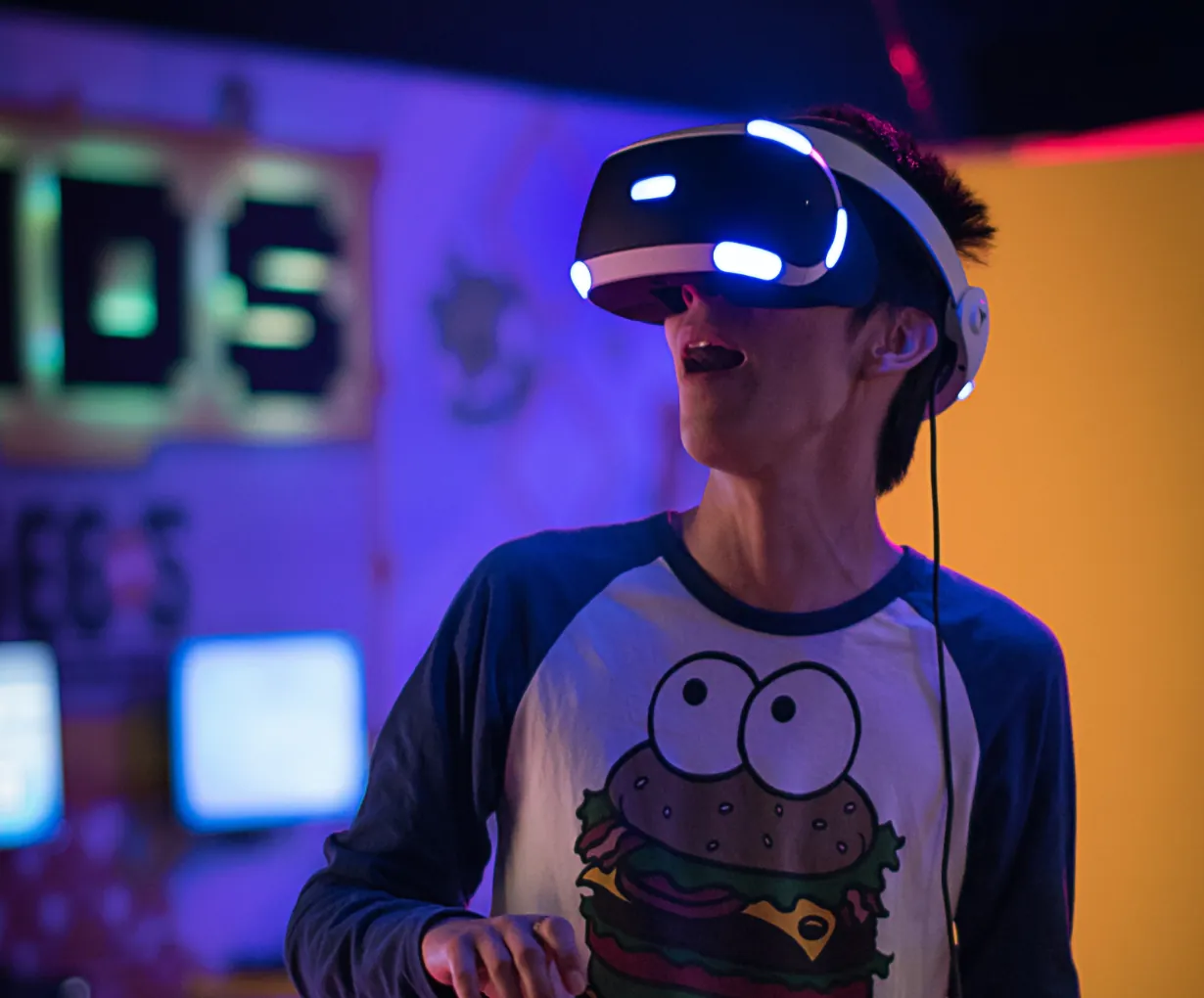

Virtual Reality: A Deep Dive
Virtual reality (VR) is a computer-generated simulation of a three-dimensional image or environment that can be interacted with in a seemingly real or physical way. By wearing a headset, users can be immersed in a computer-generated environment, allowing them to experience and interact with a world that is not physically there.
A Brief History of VR
The concept of virtual reality has been around for centuries, with early examples found in literature and philosophy. However, the modern era of VR began in the mid-20th century, with researchers at the United States Air Force exploring head-mounted displays for flight simulators. The 1980s saw a surge of interest in VR, with companies like Atari and Nintendo developing VR systems for home use. While these early systems were limited by technology, they laid the groundwork for the VR experiences we have today.
How VR Works
VR headsets typically consist of two small OLED displays, one for each eye, along with sensors that track the user’s head movements. These sensors allow the headset to adjust the image in real-time, creating a sense of immersion. Additionally, VR headsets often include headphones to provide spatial audio, further enhancing the sense of presence.
Applications of VR
VR has a wide range of applications, including:
- Gaming: VR has revolutionized the gaming industry, offering immersive experiences that go beyond traditional gaming consoles.
- Education: VR can be used to create interactive learning experiences, allowing students to explore historical events, scientific concepts, and more.
- Training: VR is used for training in various industries, such as healthcare, aviation, and manufacturing.
- Therapy: VR is being explored as a tool for treating phobias, anxiety, and other mental health conditions.
- Real Estate: VR allows potential buyers to virtually tour properties before making a purchase.
The Future of VR
The future of VR is bright, with advancements in technology leading to more immersive and affordable experiences. Some of the trends to watch include:
- Standalone VR headsets: These headsets do not require a powerful computer, making them more accessible to consumers.
- 5G: The rollout of 5G networks will enable faster and more reliable VR experiences, reducing latency and improving image quality.
- Haptics: Haptic feedback technology will allow users to feel sensations in the virtual world, further enhancing immersion.
- AI: Artificial intelligence will play a key role in creating more dynamic and realistic VR experiences.
In conclusion, virtual reality has come a long way from its humble beginnings. With ongoing advancements in technology, VR is poised to become an integral part of our lives. Whether it’s for gaming, education, or therapy, VR offers endless possibilities for exploration and innovation.
Would you like to know more about a specific aspect of virtual reality?
Here are some potential topics for further discussion:
- The impact of VR on various industries
- The challenges and limitations of VR technology
- The ethical implications of VR
- The role of VR in social interaction